Chip iPhone has become a pivotal element in the evolution of mobile technology, driving innovations that enhance user experience and device performance. From the early stages of iPhone development to the cutting-edge advancements of today, the evolution of chip technology has been nothing short of remarkable. The latest iPhone chips not only boast improved architecture and performance but also play a crucial role in the seamless integration of advanced features that users now expect from their devices.
With an intricate manufacturing process that sets it apart from competitors, iPhone chips are a testament to precision engineering. This journey of creation, coupled with advanced security features embedded within these chips, ensures user data is safeguarded against potential breaches, highlighting the importance of chip design in modern smartphones. As we look ahead, the future holds exciting possibilities for iPhone chips, particularly with the integration of AI, promising to further elevate functionality and performance.
Chip Technology in iPhone: Chip Iphone
The advancement of chip technology has been a cornerstone of Apple’s iPhone evolution, driving improvements in performance, efficiency, and user experience. From the first iPhone released in 2007 to the latest models, each iteration of the A-series chips has significantly enhanced how users interact with their devices, enabling new features and capabilities that were previously unimaginable.
The journey began with the introduction of the A4 chip in the iPhone 4, which marked Apple’s transition away from third-party processors. This innovative chip was built on a 45nm process and integrated both the CPU and GPU on a single chip, leading to improved performance and battery life. Over the years, Apple has introduced more advanced chips, each offering enhanced speed, efficiency, and capabilities. The latest A17 chip, utilized in the iPhone 15 series, showcases Apple’s commitment to cutting-edge technology, employing a 3nm process to deliver unparalleled performance.
Architecture and Performance of the Latest iPhone Chip, Chip iphone
The A17 chip’s architecture is a significant leap forward in mobile technology. Notably, it features a six-core CPU design comprising two high-performance cores and four efficiency cores. This configuration allows for dynamic performance scaling, optimizing power consumption based on the task at hand. The enhanced GPU, featuring a 16-core design, delivers remarkable graphical performance, making gaming and high-definition video playback smoother than ever.
To better understand the impact of the A17 chip, the following points highlight its architectural advantages:
- 3nm Technology: Utilizing a 3nm manufacturing process allows for more transistors on the chip, resulting in higher performance and lower energy consumption.
- Improved Neural Engine: The upgraded 16-core Neural Engine facilitates advanced machine learning tasks, empowering features like real-time photo editing and immersive augmented reality experiences.
- Custom Performance Architectures: The chip integrates custom technologies like the Secure Enclave and image signal processor, enhancing security and photography capabilities.
- Memory Bandwidth: With increased memory bandwidth, the A17 chip can handle more data simultaneously, enhancing multitasking and overall device responsiveness.
These advancements translate directly to user experience, dramatically improving application launch times, multitasking capabilities, and energy efficiency. The A17 chip not only supports demanding applications but also extends battery life, allowing users to engage with their devices longer without needing a charge.
The impact of these advancements is profound, as they redefine what users can expect from their smartphones. With each new chip generation, Apple continues to push the boundaries of performance, demonstrating the transformative role of chip technology in shaping the modern smartphone experience.
Manufacturing Process of iPhone Chips

The manufacturing process of iPhone chips is a sophisticated blend of advanced technologies and precision engineering. Apple has established a highly efficient system that combines design innovation with rigorous quality control to ensure that their chips deliver exceptional performance and reliability. Understanding this process reveals not only the technical prowess behind iPhone chips but also the strategic advantages that set Apple apart in the competitive landscape of semiconductor manufacturing.
The production of iPhone chips involves several critical steps, which include design, fabrication, assembly, testing, and packaging. Each step is tailored to maintain high standards and ensure the chips meet Apple’s specific performance and efficiency requirements.
Steps in the Manufacturing Process
The manufacturing process can be broken down into the following stages, each crucial for the quality and functionality of the chips:
- Design and Development: This initial phase involves the creation of the chip architecture using sophisticated software tools. Engineers at Apple utilize advanced simulation techniques to optimize the design for performance, power efficiency, and heat management.
- Fabrication: Once the design is finalized, the chips are fabricated using photolithography techniques. This process involves layering materials onto silicon wafers and etching patterns that define the chip’s circuitry. Apple typically relies on TSMC (Taiwan Semiconductor Manufacturing Company) for this stage, utilizing cutting-edge 5nm and 7nm process nodes for enhanced efficiency and performance.
- Assembly: After fabrication, the individual chips are assembled into packages that protect them from environmental factors and provide connections to other components. This stage includes bonding wires and applying protective coatings.
- Testing: Each chip undergoes rigorous testing to ensure it meets Apple’s performance specifications. This includes functionality tests, thermal cycling, and electrical performance assessments to detect any potential defects.
- Packaging: Finally, the chips are packaged for shipment to Apple’s manufacturing facilities, where they are integrated into various products like iPhones and iPads.
Comparison of Fabrication Techniques
Apple’s approach to chip manufacturing stands out when compared to competitors like Qualcomm and Samsung. While many companies utilize similar fabrication techniques, Apple’s collaboration with TSMC allows it to leverage state-of-the-art processing technology.
Apple’s chips, such as the A-series and M-series, often utilize more advanced fabrication nodes than many competitors. For instance, while some companies may still be utilizing 10nm or 12nm technologies, Apple has consistently pushed for smaller nodes, achieving 5nm technology in its latest chips. This not only improves performance but also enhances power efficiency, a crucial factor for mobile devices.
Challenges in Chip Production
The production of iPhone chips is not without its challenges. Some of the most significant hurdles include:
- Yield Management: Achieving high yield rates during manufacturing is critical. Even minor defects can render chips unusable, so Apple employs extensive quality control measures throughout the fabrication process to minimize waste.
- Supply Chain Disruptions: The semiconductor industry is highly susceptible to external factors that can disrupt supply chains. Apple has mitigated this risk by diversifying its supplier base and investing heavily in securing long-term contracts with key suppliers like TSMC.
- Technological Obsolescence: As technology evolves, keeping up with advancements in chip design and manufacturing is essential. Apple continuously invests in research and development to stay ahead of the curve and adapt to new technologies.
“Apple’s commitment to superior chip design and manufacturing processes has established it as a leader in the mobile technology space.”
By overcoming these challenges and focusing on innovation, Apple ensures that its chips not only meet current demands but also set the pace for future advancements in mobile technology.
Chip Security Features in iPhones

The security of user data is paramount in today’s digital landscape, and Apple has embedded various security features within its iPhone chips to safeguard sensitive information. These features are integral to the device’s overall security architecture, ensuring that user data remains protected from unauthorized access and potential breaches.
One of the standout security features of iPhone chips is the Secure Enclave, a dedicated coprocessor that manages sensitive data such as passwords, encryption keys, and biometric information (like Touch ID and Face ID). The Secure Enclave operates in a separate memory space, isolating it from the main operating system and applications. This isolation helps prevent malicious software from accessing sensitive data, even if the main system is compromised. Additionally, the Secure Enclave employs hardware-based encryption, ensuring that data is stored in an encrypted format, further enhancing security.
Contribution of Chip Design to Security Architecture
The design of iPhone chips significantly contributes to the device’s security architecture through various mechanisms that bolster data protection.
The following features illustrate how chip design fortifies security:
- Hardware Encryption: iPhone chips are designed with built-in encryption capabilities, ensuring that data is encrypted at rest and during transmission. This ensures that even if data is intercepted, it remains unreadable without the appropriate keys.
- Secure Boot Process: The chip’s design includes a secure boot mechanism that verifies the integrity of the operating system and applications at startup. This process helps to prevent unauthorized modifications to the system software.
- Tamper Resistance: iPhone chips are built to be tamper-resistant, making it extremely difficult for attackers to extract sensitive information from the chip, even in the event of physical access.
- Regular Security Updates: Apple continuously provides firmware updates for its chips, addressing vulnerabilities and enhancing security features. This proactive approach ensures that devices remain protected against emerging threats.
“The Secure Enclave is a vital component of Apple’s security strategy, ensuring that sensitive data remains protected even in the face of sophisticated attacks.”
Despite these robust security measures, vulnerabilities in chip design have been exploited in other devices. For example, the Intel ME vulnerability allowed attackers to exploit chips in various systems, leading to unauthorized access to sensitive information. Similarly, vulnerabilities in Android devices’ chipsets have been exploited to gain root access, highlighting the importance of strong chip security features in mitigating such risks.
In summary, the security features embedded in iPhone chips, coupled with their innovative design, play a crucial role in protecting user data from threats. Through mechanisms such as the Secure Enclave and hardware encryption, Apple has established a formidable defense against potential breaches, setting a high standard in mobile security.
Future Trends in iPhone Chip Development
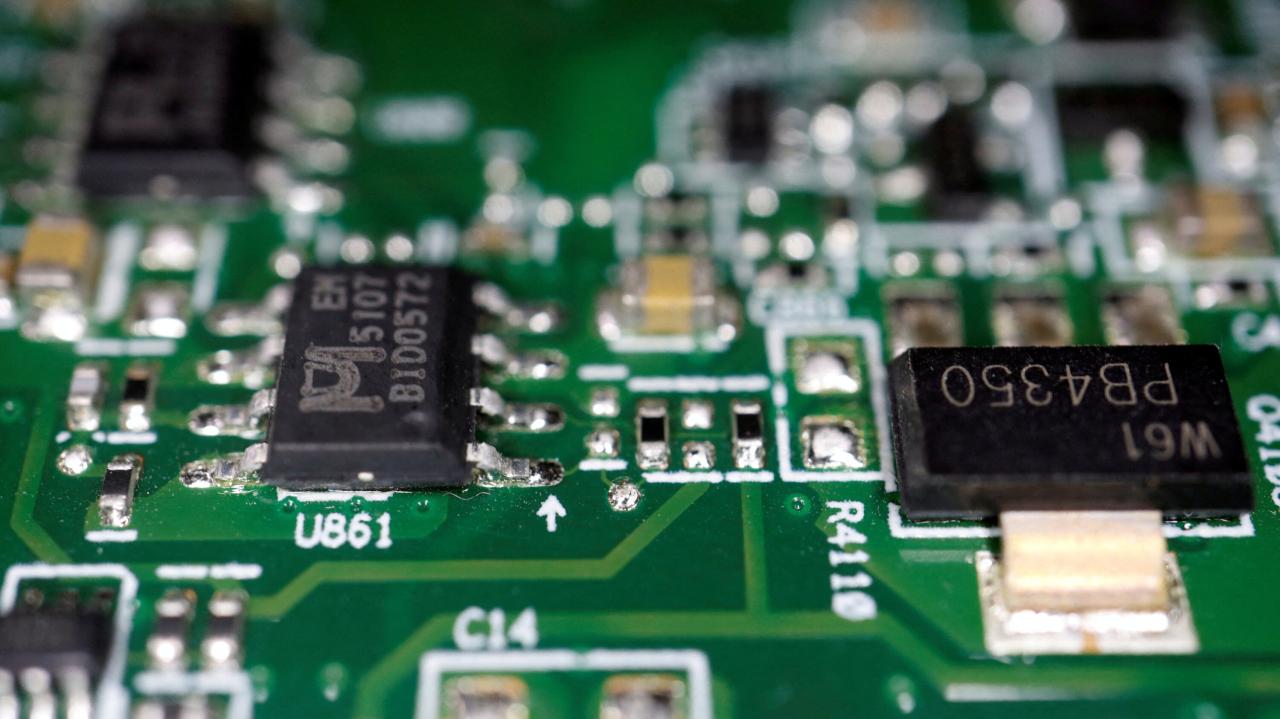
As the smartphone industry continues to evolve, Apple is set to lead the charge in chip innovation for its future iPhone models. A convergence of advanced technologies and shifting consumer expectations will shape the trajectory of iPhone chip development. This section will explore the anticipated trends in chip design, the integration of artificial intelligence, and the influence of emerging technologies on the next generation of iPhone chips.
Advancements in Chip Design
The future of chip design for iPhones is marked by several key advancements that are expected to enhance performance, efficiency, and user experience. The adoption of smaller process nodes, such as 3nm and beyond, allows for greater transistor density and improved power efficiency. This reduction in size not only enhances processing capabilities but also conserves battery life, a crucial aspect for end-users.
– Increased Transistor Density: The shift to 3nm technology enables Apple to fit more transistors into a chip, leading to higher performance levels without a proportional increase in power consumption.
– Enhanced Multicore Architecture: Future iPhone chips are likely to incorporate more powerful multicore designs, allowing for better multitasking and improved parallel processing capabilities that can handle demanding applications seamlessly.
– Integration of Heterogeneous Computing: By allowing different types of cores to work together, iPhones can optimize tasks based on resource requirements, providing a balance between performance and efficiency.
AI Integration in iPhone Chips
The integration of artificial intelligence within iPhone chips is anticipated to revolutionize user interaction and device functionality. AI capabilities not only improve existing features but also pave the way for entirely new functionalities.
– On-Device Machine Learning: Future iPhone chips will likely include advanced neural engines, similar to those seen in the A-series chips, allowing for complex machine learning tasks to be performed directly on the device. This capability enhances features like image recognition, natural language processing, and personalized user experiences without relying on cloud processing.
– Predictive Functionality: With AI integration, iPhones can learn user behavior over time, predicting user needs and optimizing resources accordingly. This leads to improved battery management, adaptive performance adjustments, and more responsive user interfaces.
– Enhanced Security Features: AI-driven security measures, such as facial recognition and anomaly detection, will become more sophisticated, providing users with robust protection against unauthorized access.
Impact of Emerging Technologies on Chip Development
Emerging technologies such as 5G, augmented reality (AR), and advanced sensors are set to significantly influence the design and functionality of future iPhone chips, creating a more interconnected and immersive user experience.
– 5G Integration: The push for 5G connectivity will necessitate chips that are optimized for higher data rates and lower latency. This includes the development of advanced modems that can handle the increased demands of streaming, gaming, and real-time communication.
– Augmented Reality Capabilities: As Apple continues to invest in AR, future chips will need to support advanced graphics processing and sensor fusion. This will allow for richer AR experiences, enhancing applications in education, gaming, and retail.
– Improved Sensor Technology: Future iPhone chips will likely incorporate support for more advanced sensors, such as LiDAR, which can enhance navigation and spatial awareness, further blending the digital and physical worlds.
In summary, the future trends in iPhone chip development reflect a commitment to innovation and user-centric design, positioning Apple to maintain its leadership in the competitive smartphone market.
Clarifying Questions
What is the significance of chip technology in smartphones?
Chip technology is crucial as it directly influences the performance, efficiency, and capabilities of smartphones, impacting user experience significantly.
How often does Apple update its chip technology?
Apple typically introduces new chip technology with each major iPhone release, usually annually.
What security features are unique to iPhone chips?
iPhone chips include features like Secure Enclave for data protection, hardware encryption, and biometric security like Face ID and Touch ID.
How does chip manufacturing differ for iPhones compared to other brands?
iPhone chip manufacturing often involves proprietary techniques and stricter quality controls, ensuring high performance and reliability compared to competitors.
What future technologies might influence iPhone chips?
Emerging technologies such as AI, advanced machine learning algorithms, and 5G capabilities are expected to significantly influence the future design and functionality of iPhone chips.
The Samsung Galaxy S10 Plus stands out with its stunning display and powerful performance, making it a top choice for tech enthusiasts. Its camera capabilities elevate photography to new heights, allowing users to capture stunning images in any light. As you explore smartphone options, you’ll find that the S10 Plus offers a blend of style and innovation that is hard to resist.
If you’re considering an upgrade, keep an eye out for the latest promotion iPhone offers that may just provide the perfect opportunity. These promotions can significantly reduce the cost of acquiring the latest models, making it easier than ever to switch to an iPhone. With each new release, Apple continues to enhance user experience, ensuring that customers are always getting the best value.