Samsung Galaxy S II stands as a significant milestone in the smartphone evolution, revolutionizing user experience and setting standards for future devices. Released in 2011, this flagship model not only introduced impressive specifications for its time but also showcased an array of innovative features that distinguished it from its competition.
The Galaxy S II boasted a stunning Super AMOLED display, a dual-core processor, and a lightweight design that appealed to a broad audience. Its combination of performance, camera quality, and customizable user interface made it a favorite among tech enthusiasts and casual users alike.
Overview of Samsung Galaxy S II
The Samsung Galaxy S II, launched in 2011, marked a significant milestone in smartphone technology with its innovative design and advanced specifications. As one of the flagship devices of its time, it set the stage for future developments in the Samsung Galaxy series. This smartphone not only boasted impressive hardware but also came with a rich software experience, leading to its success in the competitive mobile market.
The Samsung Galaxy S II featured a 4.3-inch Super AMOLED Plus display with a resolution of 480 x 800 pixels, providing vibrant colors and sharp images. It was powered by a dual-core 1.2 GHz ARM Cortex-A9 processor and came with 1 GB of RAM, enabling smooth multitasking and performance. The device was equipped with an 8 MP rear camera capable of 1080p video recording, along with a 2 MP front camera for video calls. Additionally, the Galaxy S II offered storage options of 16 GB or 32 GB, expandable via microSD, and operated on Android 2.3 (Gingerbread), later upgradeable to Android 4.1.2 (Jelly Bean).
Specifications of Samsung Galaxy S II
The specifications of the Samsung Galaxy S II highlight its capabilities and technological advancements that distinguished it from competitors. The following features contributed to its popularity:
- Display: 4.3-inch Super AMOLED Plus, 480 x 800 pixels resolution for vivid images and excellent visibility even in bright sunlight.
- Processor: Dual-core 1.2 GHz ARM Cortex-A9, providing faster performance than many single-core processors of its time.
- RAM: 1 GB, facilitating smooth operation and multitasking capabilities.
- Camera: 8 MP rear camera with autofocus and LED flash, capable of capturing high-quality images and 1080p video recording; 2 MP front camera for video calls.
- Battery: 1650 mAh Li-Ion, offering a decent battery life for daily usage, despite the power-hungry features.
- Storage: 16 GB or 32 GB internal storage options, with microSD support for up to 32 GB, ensuring ample space for apps and media.
- Operating System: Initially shipped with Android 2.3, upgradable to 4.1.2, allowing users to experience the latest features and applications.
History and Release Timeline of Samsung Galaxy S II
The Samsung Galaxy S II was officially announced at the Mobile World Congress in February 2011, quickly generating excitement among tech enthusiasts. It was released in April 2011 and became available in various markets worldwide shortly thereafter. Its rapid global adoption was due in part to its enhanced features compared to its predecessor, the Galaxy S, which included improvements in display technology and processing power.
The Galaxy S II saw numerous updates and promotions, significantly bolstering Samsung’s position in the smartphone market against competitors like Apple and HTC. By capturing a substantial share of the market, it laid the groundwork for subsequent models in the Galaxy S series.
Key Features of Samsung Galaxy S II
The features that set the Samsung Galaxy S II apart from its competitors were numerous and impactful. Among these, the following standout elements contributed to its reputation as a leading smartphone of its time:
- Lightweight Design: The Galaxy S II weighed only 116 grams, making it one of the lightest smartphones available, which was particularly appealing to users seeking portability.
- Super AMOLED Plus Display: This technology provided deeper blacks and more vibrant colors, enhancing the visual experience compared to other LCD screens.
- Fast Performance: The combination of a dual-core processor and optimized software resulted in quick app launches and efficient navigation.
- Camera Quality: With an 8 MP camera, it offered high-resolution photography capabilities, which were superior to many competitors at the time.
- Wide Connectivity Options: The device supported HSPA+ networks, allowing for faster data speeds, and included Wi-Fi, Bluetooth 3.0, and GPS functionalities.
- User Interface: Samsung’s TouchWiz interface enhanced the Android experience, providing unique features such as Smart Stay and Direct Call, which added convenience.
The Samsung Galaxy S II was instrumental in establishing Samsung’s reputation as a smartphone innovator and paved the way for future developments in mobile technology.
Performance and Software
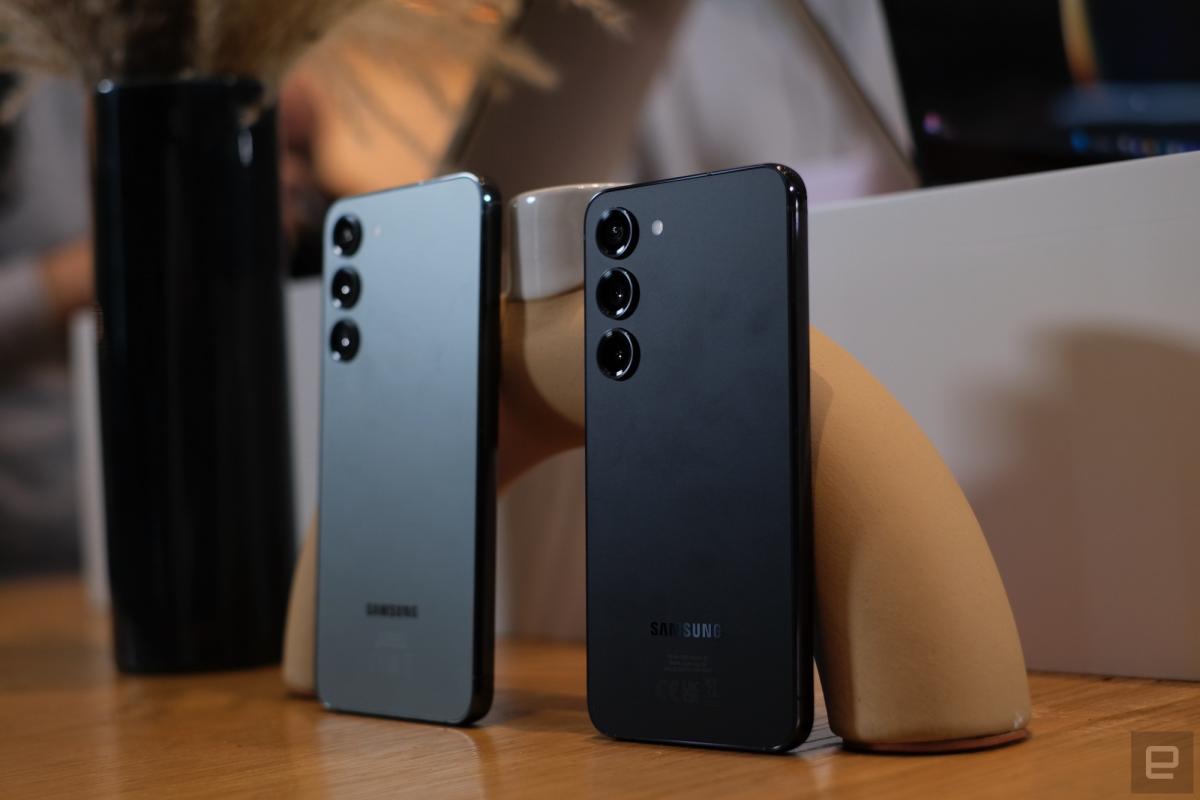
The Samsung Galaxy S II, launched in 2011, was a significant player in the smartphone market, thanks to its impressive performance and innovative software features. With a sleek design and a powerful hardware setup, it aimed to compete with the best devices of its time. In this section, we delve into the operating system, performance benchmarks, and the user interface that defined the Galaxy S II experience.
Operating System and Software Updates
The Samsung Galaxy S II originally shipped with Android 2.3 Gingerbread, which was a popular choice for smartphones during its release. Over time, Samsung provided several updates, allowing users to experience new features and improvements. The device was officially upgradeable to Android 4.1 Jelly Bean, which introduced enhancements such as Project Butter for smoother performance and Google Now for advanced voice search capabilities. Despite its age, many users sought custom ROMs to push the device beyond the official updates, highlighting the community’s dedication to keeping the Galaxy S II relevant.
Performance Benchmarks
When considering the performance of the Galaxy S II, it is essential to compare its specifications with contemporary devices. The Galaxy S II was powered by a dual-core 1.2 GHz ARM Cortex-A9 processor and had 1 GB of RAM, which allowed it to handle multitasking and demanding applications efficiently for its time.
In benchmark tests like AnTuTu and Quadrant, the Galaxy S II achieved impressive scores, often placing it among the top-performing smartphones available. For instance, the Galaxy S II scored around 3,400 on Quadrant, which was competitive against devices like the HTC Sensation and LG Optimus 2X. Although newer devices have surpassed these figures significantly, the performance of the Galaxy S II remained commendable during its prime, showcasing its capabilities in gaming and running resource-intensive applications.
User Interface and Customization Options
The user interface of the Samsung Galaxy S II was built atop Samsung’s TouchWiz UI, which offered a distinctive look and feel compared to stock Android. Users benefitted from a range of customization options, allowing for a personalized experience.
Key features of the TouchWiz interface included:
- Live Widgets: The interface featured dynamic widgets that provided real-time updates, such as weather, news, and social media feeds, right on the home screen.
- Multiple Home Screens: Users could create and customize multiple home screens, each with different wallpapers and widget configurations.
- Theme Support: The Galaxy S II supported various themes, which could change the overall appearance of the device, from icons to menus.
- Task Manager: The built-in task manager provided a seamless way to switch between applications and manage running tasks, enhancing multitasking functionalities.
The ability to customize the user interface made the Galaxy S II a popular choice among users who appreciated a device tailored to their preferences.
“The combination of robust hardware and an adaptable user interface made the Galaxy S II a standout smartphone in its generation.”
Camera Capabilities: Samsung Galaxy S Ii

The Samsung Galaxy S II was equipped with impressive camera specifications that were revolutionary for its time, allowing users to capture stunning images and videos. With a focus on usability and functionality, the device provided photography enthusiasts with various features that enhanced the overall experience.
Equipped with an 8-megapixel rear camera and a 2-megapixel front camera, the Galaxy S II was capable of producing high-quality images. The rear camera featured autofocus, a LED flash, and the ability to capture video in 1080p at 30 frames per second. The device also supported various imaging features such as face and smile detection, image stabilization, and panorama mode, making it versatile for different photography needs.
Maximizing Photography with the Samsung Galaxy S II Camera
To make the most of the camera capabilities on the Samsung Galaxy S II, users can implement several tips that enhance photography quality and creativity. Understanding how to utilize the device’s features effectively can lead to stunning results.
1. Utilize the LED Flash: In low-light conditions, the LED flash can illuminate subjects, but it’s crucial to experiment with flash settings to prevent overexposed images.
2. Master Focus and Exposure: Tapping on the screen to focus on your subject allows for better control over exposure, especially in challenging lighting situations.
3. Explore Shooting Modes: Take advantage of various shooting modes such as Night mode, Panorama, or Action shot to capture dynamic images depending on the scene.
4. Stabilize Your Shots: Use both hands to grip the phone firmly or rest it on a stable surface to reduce blurriness, particularly in low-light conditions or when using zoom.
5. Edit Images Post-Capture: Utilize built-in editing features to enhance photos after capturing them, adjusting contrast, brightness, and cropping as needed.
Camera Performance Compared to Later Models
When comparing the camera performance of the Samsung Galaxy S II to its successors, significant advancements can be noted in terms of both hardware and software capabilities. Later models, such as the Galaxy S III and S4, introduced enhanced sensors, higher megapixel counts, and improved image processing technology.
The transition from the 8-megapixel camera of the Galaxy S II to the 13-megapixel camera in the Galaxy S4 exemplifies this leap forward in resolution. Furthermore, modern smartphones incorporate advanced features like optical image stabilization, larger apertures for better low-light performance, and improved autofocus systems that vastly outperform the capabilities of the S II.
– Image Quality: The high-resolution sensors in newer models produce sharper, more detailed images with better color accuracy and dynamic range.
– Low-Light Performance: Enhanced low-light capabilities in later devices allow for clearer images in darker environments, reducing noise and blurriness.
– Software Enhancements: AI-driven camera features in newer models, such as scene recognition and real-time adjustment suggestions, provide an intuitive shooting experience that the Galaxy S II lacks.
These advancements in camera technology illustrate the rapid evolution in smartphone photography, setting high expectations for future devices.
User Experience and Reviews
The Samsung Galaxy S II, hailed as a flagship device during its release, has garnered a mix of praise and criticism from users worldwide. Feedback from its extensive user base reveals insights into both the positive aspects and the limitations of this smartphone, which played a significant role in shaping the Android landscape.
User testimonials often highlight the Galaxy S II’s sleek design and vibrant display as standout features that enhance the overall experience. Many users appreciate its lightweight build and comfortable grip, making it an ideal device for daily use. Below are some critical points drawn from user experiences that encapsulate the pros and cons of owning a Samsung Galaxy S II.
Pros and Cons of Ownership
Understanding user satisfaction involves exploring numerous user reviews that reflect their experiences with the Galaxy S II. Below is a summary of common pros and cons expressed by users:
Pros:
– Exceptional display quality with vibrant colors and sharp resolution.
– Strong performance, thanks to its dual-core processor, allowing smooth multitasking.
– Extensive customization options available through Android and Samsung’s TouchWiz interface.
– Good battery life that can last a full day with moderate usage.
– Solid camera performance, particularly in well-lit conditions, appreciated by photography enthusiasts.
Cons:
– Occasional software bugs and issues with app compatibility, especially after updates.
– Some users reported lag during heavy multitasking or while using demanding applications.
– Limited internal storage options, with many opting for external SD cards.
– Build quality perceived as lower than that of competitors, with concerns regarding the plastic casing.
Common Issues and Solutions, Samsung galaxy s ii
While the Samsung Galaxy S II is praised for its capabilities, users have reported some recurring issues. Below are common problems and their suggested solutions:
– Battery Drainage: Some users have experienced rapid battery depletion. Solutions include reducing screen brightness, disabling unnecessary apps running in the background, and using power-saving modes.
– Software Lag: Over time, the device may slow down. A common workaround is to clear the app cache regularly and uninstall any unused applications to free up resources.
– Camera Performance in Low Light: Users noted that the camera struggles in dim conditions. Optimal solutions involve using the flash judiciously or utilizing third-party camera apps that offer additional settings for low-light photography.
User Satisfaction Comparison Table
A comparative analysis shows how the Samsung Galaxy S II stacks up against other contemporaneous smartphones in terms of user satisfaction:
| Smartphone Model | User Satisfaction Rating | Highlight Features |
|---|---|---|
| Samsung Galaxy S II | 4.2/5 | Great display, solid performance |
| HTC Sensation | 4.0/5 | Excellent audio quality |
| Nokia N9 | 4.1/5 | Unique design and software |
| LG Optimus 2X | 3.9/5 | First dual-core smartphone |
General Inquiries
What year was the Samsung Galaxy S II released?
The Samsung Galaxy S II was released in 2011.
What are the standout features of the Samsung Galaxy S II?
It features a Super AMOLED display, dual-core processor, and an 8MP camera.
Is the Samsung Galaxy S II still supported with software updates?
No, the Samsung Galaxy S II is no longer receiving software updates.
How does the camera performance of the Galaxy S II compare to newer models?
While the Galaxy S II had a capable camera for its time, newer models offer significantly improved photography features and quality.
What type of user interface does the Samsung Galaxy S II have?
The Galaxy S II features TouchWiz, which allows for various customizations.
If you’re looking to upgrade your smartphone, the latest promotion iphone offers unbeatable deals that you shouldn’t miss. With its advanced features and sleek design, an iPhone can elevate your mobile experience. Don’t forget to compare it with the samsung galaxy s 4 , which still holds a strong position in the market with its impressive performance and value.
The samsung galaxy s 4 remains a popular choice for those who seek reliability without breaking the bank. However, if you’re eyeing the latest technology, check out the ongoing promotion iphone which provides fantastic savings on top-of-the-line features. This way, you can enjoy the best of both worlds in mobile technology.