Galaxy Note 2 stands as a testament to innovation in the smartphone realm, captivating users with its blend of cutting-edge features and dynamic performance. Released in a time when smartphones were evolving rapidly, it introduced functionalities that redefined user experience, particularly with its iconic S Pen.
This device not only boasted impressive specifications but also set a benchmark for multitasking and usability, paving the way for future generations of smartphones. With its vibrant display and powerful processor, the Galaxy Note 2 was truly ahead of its time, making it a memorable player in the tech landscape.
Features of the Galaxy Note 2
The Samsung Galaxy Note 2, released in 2012, was a game-changer in the smartphone market, redefining the boundaries of mobile technology. With its larger display and innovative features, it catered to both productivity and entertainment, making it a favorite among users who sought a device that could do it all.
The Galaxy Note 2 is equipped with a 5.5-inch Super AMOLED display, boasting a resolution of 1280 x 720 pixels. This screen size was substantial for its time, allowing for enhanced multimedia experiences and multitasking capabilities. Under the hood, it runs on a 1.6 GHz quad-core processor, paired with 2 GB of RAM, ensuring smooth performance for demanding applications and multitasking scenarios. The device also includes an 8 MP rear camera and a 1.9 MP front camera, offering decent photography options for users. Its 3100 mAh battery provides ample power for all-day usage, while storage options of 16 GB, 32 GB, or 64 GB, expandable via microSD, allow users to store a wealth of content.
Unique Features of the Galaxy Note 2
The Galaxy Note 2 stood out from other smartphones of its time due to several unique features that enhanced its functionality and user experience. Among these features, the following are particularly noteworthy:
- Large Display: The 5.5-inch screen set a new standard for smartphone displays, ideal for reading, watching videos, and productivity tasks.
- S Pen Integration: The S Pen stylus provided a range of capabilities that were unique to the Galaxy Note series, enabling precise input and creative expression.
- Multi-Window Functionality: This feature allowed users to run two apps simultaneously on the same screen, greatly enhancing multitasking efficiency.
- Smart Stay and Air View: Smart Stay kept the screen on while the user was looking at it, and Air View allowed users to preview content without touching the screen.
- Enhanced Note-Taking: Users could jot down notes directly on the screen, a feature that catered to professionals and students alike.
S Pen Functionality and Applications, Galaxy note 2
The S Pen was not just a stylus; it was a sophisticated tool that expanded the capabilities of the Galaxy Note 2. The pen’s pressure sensitivity and precision made it ideal for various applications, which are detailed below:
- Note-Taking: Users could effortlessly jot down notes, draw sketches, or annotate documents directly on their device, making it a valuable tool for meetings and lectures.
- Screen Capture: The S Pen allowed users to capture screenshots and annotate them, facilitating easier sharing of information.
- Creative Applications: Artists could use apps like S Note and other drawing tools to create detailed illustrations, benefiting from the pen’s accuracy.
- Quick Command Feature: This feature enabled users to create shortcuts for frequent actions, enhancing efficiency in navigating the device.
- Handwriting Recognition: The S Pen could convert handwritten notes into digital text, boosting productivity for users who preferred writing by hand.
“The S Pen transforms the way users interact with their device, making the Galaxy Note 2 not just a smartphone but a versatile digital notebook.”
The Galaxy Note 2 was truly ahead of its time, combining impressive hardware with innovative features that catered to a diverse range of user needs. Its unique capabilities, particularly the S Pen functionality, set a precedent for future devices in the smartphone market and established the Note series as a leader in productivity-focused smartphones.
Performance Analysis
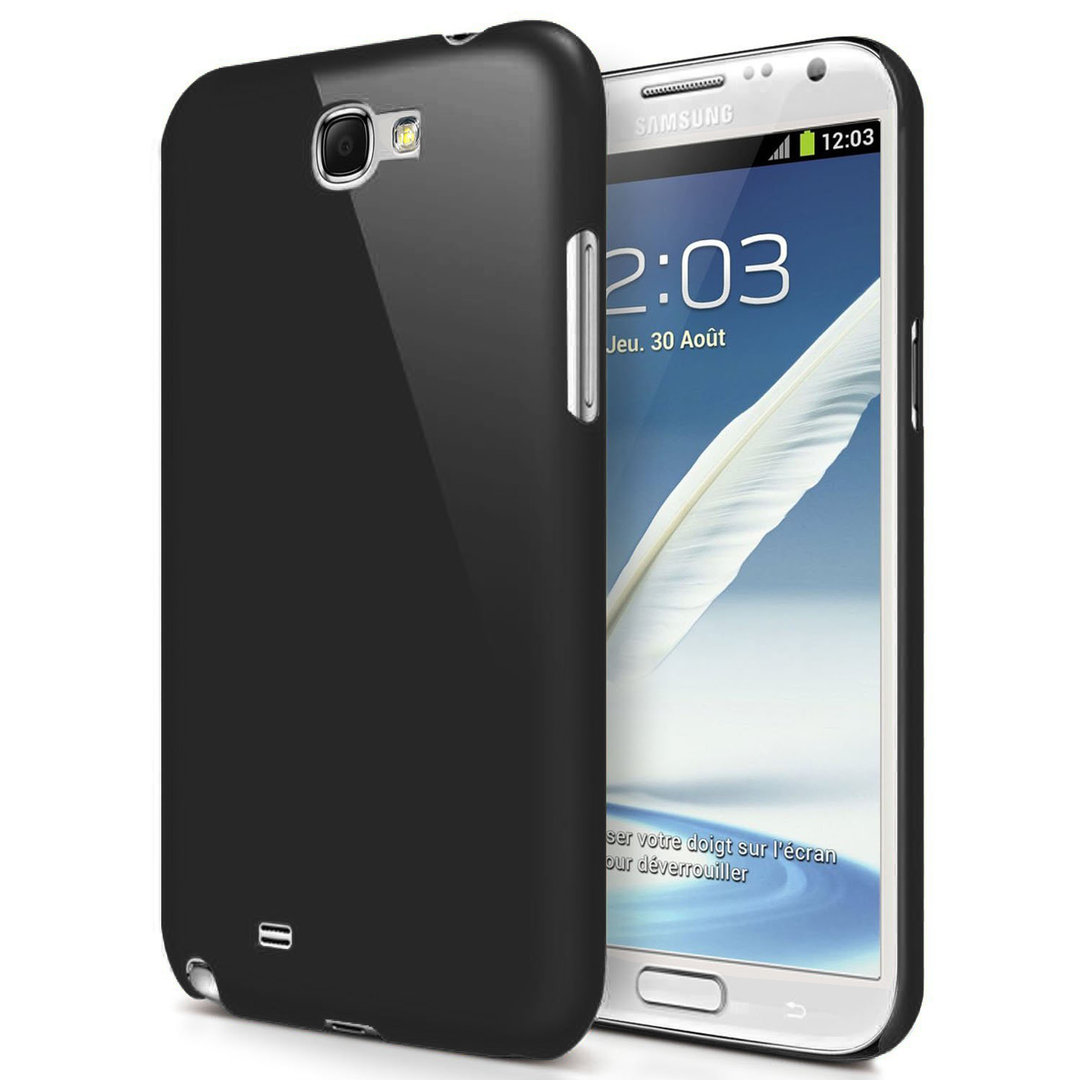
The Samsung Galaxy Note 2 is a powerhouse of its time, offering a blend of performance and functionality that exceeded many of its contemporaries. This analysis delves into the device’s performance metrics, including its processing capabilities, RAM specifications, and battery life, as well as the overall user experience regarding multitasking and app performance.
Processor Speed and RAM
Equipped with a 1.6 GHz quad-core Exynos 4412 processor, the Galaxy Note 2 was notable for its speed and efficiency, allowing for smooth operation and quick response times. Coupled with 2 GB of RAM, the device provided a solid foundation for running multiple applications simultaneously without significant lag. This combination facilitated a seamless user experience, particularly in scenarios requiring high processing power, such as gaming and multimedia playback.
Battery Life Comparison
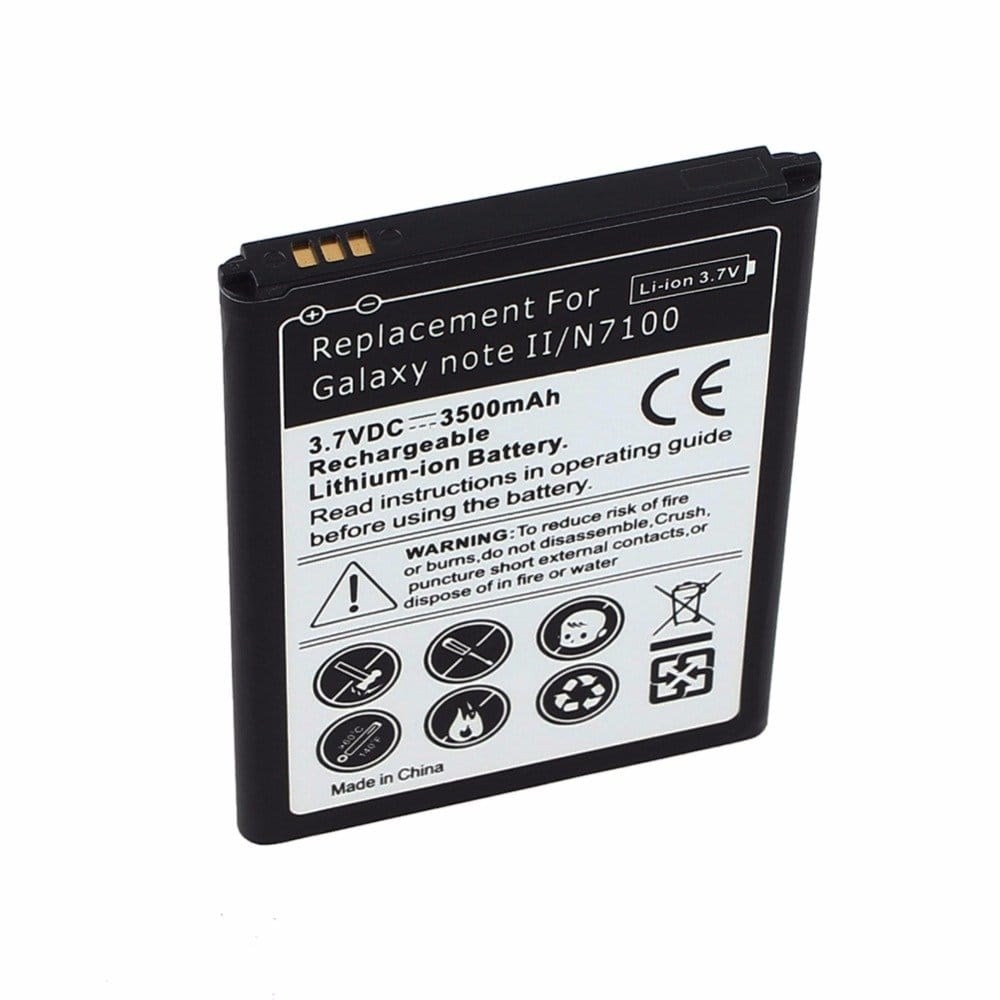
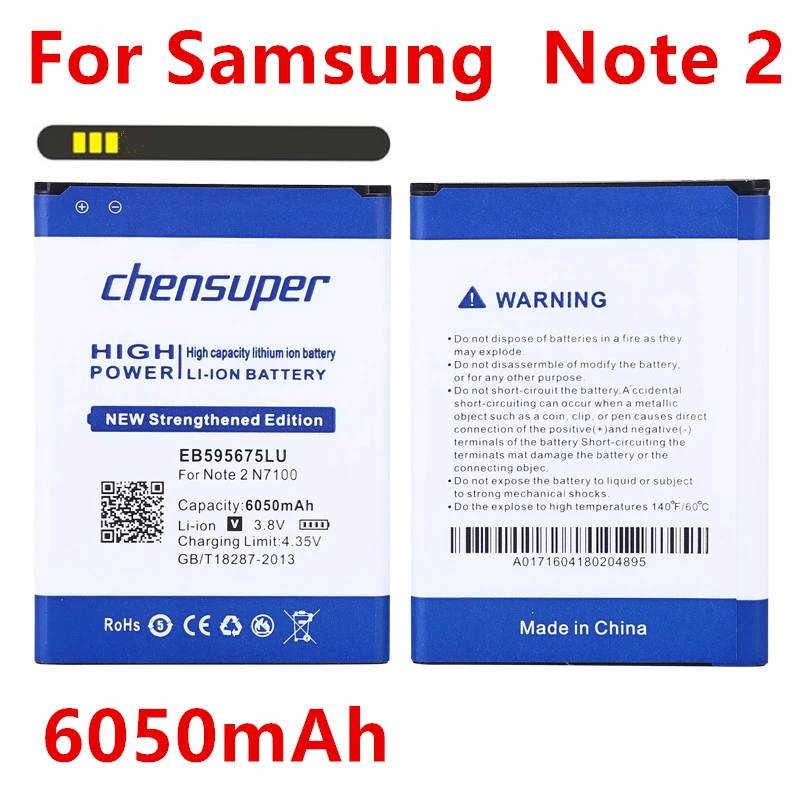
When comparing the battery life of the Galaxy Note 2 to its contemporaries, it stood out with a robust 3100 mAh battery capacity. This allowed users to enjoy longer usage times, often reaching over a day on a single charge under moderate usage conditions. In contrast, devices like the HTC One X and the iPhone 5 featured smaller batteries, which resulted in shorter usage durations.
The following table illustrates the battery capacity of various flagship devices released around the same time:
| Device | Battery Capacity (mAh) | Typical Usage Duration |
|---|---|---|
| Galaxy Note 2 | 3100 | 1-1.5 days |
| HTC One X | 1800 | Up to 1 day |
| iPhone 5 | 1440 | Up to 1 day |
User Experience with Multitasking and App Performance
The Galaxy Note 2 was designed to enhance productivity through features like Multi Window, enabling users to operate two applications simultaneously. This functionality proved invaluable for professionals and multitaskers, allowing for tasks such as taking notes while browsing or watching videos. Users frequently reported a positive experience when switching between apps, as the generous RAM allocation minimized interruptions and loading times.
Additionally, the device’s performance in handling graphics-intensive applications was commendable. Popular games and graphic-heavy apps ran smoothly, providing a user-friendly experience devoid of stuttering or lag. This performance level not only elevated the device’s reputation among users but also solidified its position in a competitive smartphone market.
The combination of a high-capacity battery and powerful hardware made the Galaxy Note 2 a preferred choice for users seeking both performance and endurance.
Software and User Interface
The Galaxy Note 2 is powered by Android 4.1 Jelly Bean, which brought a host of improvements and features that enhanced the overall user experience. With its user-friendly interface and robust capabilities, the device provided a smooth and customizable operating environment that appealed to a wide range of users.
The operating system introduced features such as Google Now, which offered users predictive information based on their preferences and location. The fluid animations and responsive UI provided by the Jelly Bean update significantly improved the overall performance, making multitasking and app navigation more seamless.
Operating System Version and Features
The Galaxy Note 2 was launched with Android 4.1, but it later received updates that brought enhanced functionalities. Some notable features included:
- Project Butter: Improved system performance through smoother animations and faster touch responsiveness.
- Google Now: An intelligent personal assistant that provided information and recommendations based on user habits.
- Notifications: Enhanced notification system allowing for quick replies and actionable notifications directly from the notification bar.
- Multi-Window Support: Enabled users to run two apps simultaneously for increased productivity.
These features were critical in setting the Galaxy Note 2 apart from its competitors, making it a standout device in terms of both functionality and user experience.
User Interface Customizations
The user interface of the Galaxy Note 2 was not only intuitive but also highly customizable. Users could personalize their devices through a variety of options to suit their preferences and enhance usability. Key customization features included:
- Widgets: Users could add widgets to their home screens for quick access to apps and information.
- Themes: Different themes enabled customization of the device’s look and feel.
- Smart Stay: A feature that used the front camera to detect when the user was looking at the screen, preventing it from dimming.
- S Pen Integration: Enhanced functionality with the S Pen allowed for handwriting, drawing, and quick note-taking, further enriching the user experience.
These customizations allowed users to tailor their devices to fit their individual needs, making the Galaxy Note 2 not just a smartphone, but a personal productivity tool.
Software Updates and Their Impact
Software updates for the Galaxy Note 2 played a significant role in maintaining performance and introducing new features. Each update aimed to optimize the device’s capabilities and ensure security. Below are some impacts of key updates:
- Improved Stability: Updates generally addressed bugs and stability issues, leading to a smoother overall operation.
- Performance Enhancements: Regular updates often included optimizations that made app loading times faster and improved multitasking capabilities.
- New Features: Each update often introduced new features, such as enhanced camera functionalities or additional customization options, keeping the device competitive.
These updates not only improved the performance of the Galaxy Note 2 but also extended its lifespan, allowing users to enjoy a more refined user experience over time.
Market Impact and Legacy: Galaxy Note 2
The Galaxy Note 2, released in 2012, marked a significant milestone in the evolution of smartphones, particularly in the phablet category. It not only reinforced Samsung’s position as a major player in the market but also set new standards for functionality and user engagement. The device’s innovative features and design elements have influenced the trajectory of smartphone development, especially in the integration of stylus technology and larger displays.
The Galaxy Note 2’s success can be measured against its predecessors and successors through sales figures and overall market performance. Upon its launch, the device achieved remarkable sales, reaching over 5 million units within the first two months. This impressive figure highlighted the growing consumer preference for larger screens and enhanced multitasking capabilities. In comparison, the original Galaxy Note sold approximately 1 million units in its first two months, demonstrating significant growth in market demand. When examining the Note series, the Galaxy Note 3, which followed the Note 2, eventually surpassed its sales with over 10 million units sold in the first two months, showcasing the enduring popularity of the Note lineup.
Sales Comparison and Market Performance
The sales performance of the Galaxy Note 2 compared to its predecessors and successors illustrates the impact it had on the smartphone market. The following points highlight the key sales figures and trends:
- The Galaxy Note saw initial success with 1 million units sold in its first two months.
- In contrast, the Galaxy Note 2 achieved over 5 million units in the same time frame, demonstrating a rapid increase in consumer interest.
- The Galaxy Note 3 built on this momentum, reaching over 10 million units sold shortly after its release, indicating a growing acceptance of larger smartphones.
- The Note series has continued to influence the release of competing devices, with many manufacturers adopting similar design philosophies and feature sets.
User community support has been a vital aspect of the Galaxy Note 2’s legacy. Over the years, forums and online communities have thrived around this device, providing users with support, tips, and customization options. The robust development of custom ROMs and modifications reflects a dedicated user base that has kept the device relevant long after its initial launch. The availability of software updates, community-driven support, and a plethora of accessories has contributed to its enduring popularity among enthusiasts.
“The Galaxy Note 2 not only transformed user expectations of smartphone capabilities but also paved the way for future innovations in mobile technology.”
Questions and Answers
What year was the Galaxy Note 2 released?
The Galaxy Note 2 was released in 2012.
What is the battery capacity of the Galaxy Note 2?
The Galaxy Note 2 has a battery capacity of 3100 mAh.
Can the Galaxy Note 2 run the latest apps?
While it can run many apps, performance may vary with newer, resource-intensive applications.
What storage options were available for the Galaxy Note 2?
The Galaxy Note 2 was available in 16GB, 32GB, and 64GB storage options.
Is the Galaxy Note 2 still supported with updates?
No, the Galaxy Note 2 is no longer supported with software updates.
The Samsung Galaxy Note 7 was a groundbreaking device that captivated users with its advanced features and stunning design. Unfortunately, its notorious battery issues led to a major recall, impacting Samsung’s reputation. Despite this setback, the Note series has remained influential in the smartphone market, showcasing the brand’s commitment to innovation and user experience.
With the recent launch of the Samsung S 19 , excitement is building among tech enthusiasts. This flagship model boasts cutting-edge technology and improved performance, setting a new standard in the smartphone industry. As consumers eagerly await its availability, the S 19 promises to deliver an exceptional experience with its sleek design and powerful capabilities.