samsung galaxy note 7 holds a unique place in smartphone history, captivating tech enthusiasts and consumers alike with its innovative features and sleek design. Launched in 2016, this device promised to deliver cutting-edge technology, from a stunning display to impressive camera capabilities, setting it apart from its competitors. However, its initial success was overshadowed by a series of controversies that ultimately led to its recall, reshaping the landscape of consumer expectations in smartphone safety and performance.
As the first device to introduce features that would later define the Galaxy Note series, the Note 7 became known for its stylus functionality, high-resolution display, and robust performance. Despite its technical prowess, the unfortunate incidents surrounding its battery issues marked a pivotal moment for Samsung, influencing not only the company’s trajectory but also the future of smartphone design and safety protocols.
Overview of Samsung Galaxy Note 7

The Samsung Galaxy Note 7, unveiled in August 2016, represented a significant leap in smartphone technology and design. This device, known for its large display and advanced features, was positioned as a flagship model in Samsung’s Note series. The launch was met with excitement, as the Note series had already established a reputation for innovation and productivity, catering especially to users who sought a device that combined functionality with style.
The Galaxy Note 7 distinguished itself from competitors through its combination of high-end specifications, premium design, and unique features. Equipped with a stunning 5.7-inch Quad HD Super AMOLED display, the device offered consumers vibrant colors and sharp clarity, enhancing multimedia consumption. Additionally, its S Pen stylus was refined further, allowing for improved precision and features such as screen-off memo, which enabled users to jot down notes without unlocking the device. The integration of water and dust resistance (IP68 rating) added to its appeal, making it a durable choice suited for various environments.
Unique Selling Points
The Galaxy Note 7 brought several unique selling points to the market, setting it apart from other smartphones of its time. These features not only attracted consumers but also established benchmarks for future devices.
One of the standout features was the Iris Scanner, allowing users to unlock their phones and authenticate transactions securely through facial recognition technology. This innovative biometric technology was a first for the smartphone industry, providing an additional layer of security beyond traditional fingerprint sensors.
Another significant aspect of the Note 7 was its emphasis on photography. The device was equipped with a 12 MP dual pixel rear camera that utilized optical image stabilization, ensuring that users could capture high-quality images even in low-light conditions. The front-facing camera also received attention with its 5 MP sensor, facilitating vibrant selfies and video calls.
Battery life was another critical feature; it housed a robust 3,500 mAh battery, designed to last through a full day of use. This capacity was complemented by fast charging capabilities, which enabled users to quickly power up their devices. However, despite these appealing features, the Note 7 became infamous due to battery-related safety concerns, resulting in a massive recall and discontinuation shortly after its launch, impacting its market reception dramatically.
“Samsung’s Galaxy Note 7 was not just a smartphone; it was a bold statement in technology, showcasing innovation and user-centric design.”
Technical Specifications
The Samsung Galaxy Note 7 was a flagship device that combined remarkable hardware with innovative features, making it a standout in the smartphone market. With a blend of performance, display quality, and camera capabilities, it set a high standard for its time. The specifications of the Galaxy Note 7 illustrate its advanced technology and user-centric design.
The Galaxy Note 7 is equipped with a 5.7-inch Super AMOLED display that boasts a resolution of 1440 x 2560 pixels, offering vibrant colors and deep contrasts. It is powered by either the Exynos 8890 or Snapdragon 820 processor, depending on the region. This powerhouse is complemented by 4GB of RAM, allowing for seamless multitasking and fluid performance. The camera system also deserves mention, with a 12 MP rear camera featuring dual pixel technology for faster autofocus, and a 5 MP front camera for high-quality selfies.
Specifications Comparison, Samsung galaxy note 7
To better understand the advancements in the Galaxy Note series, a comparison with its predecessors, the Galaxy Note 5, and its successor, the Galaxy Note 8, is necessary. The following table summarizes their key specifications:
| Specification | Galaxy Note 5 | Galaxy Note 7 | Galaxy Note 8 |
|---|---|---|---|
| Display | 5.7-inch Super AMOLED, 1440 x 2560 | 5.7-inch Super AMOLED, 1440 x 2560 | 6.3-inch Super AMOLED, 1440 x 2960 |
| Processor | Exynos 7420 / Snapdragon 810 | Exynos 8890 / Snapdragon 820 | Exynos 8895 / Snapdragon 835 |
| RAM | 4GB | 4GB | 6GB |
| Rear Camera | 16 MP | 12 MP | 12 MP dual-camera |
| Front Camera | 5 MP | 5 MP | 8 MP |
| Battery Capacity | 3000 mAh | 3500 mAh | 3300 mAh |
The Galaxy Note 7 featured a battery capacity of 3500 mAh, which provided ample power for an entire day of heavy usage. One of its standout features was the inclusion of fast charging technology, which allowed the device to charge rapidly, both wired and wirelessly. This capability ensured that users could spend more time using their device and less time tethered to a charger. Additionally, the Galaxy Note 7’s battery was equipped with a safety protocol that monitored temperature and performance, aiming to prevent overheating and battery failure, a significant concern in its lifecycle.
Controversies and Recall
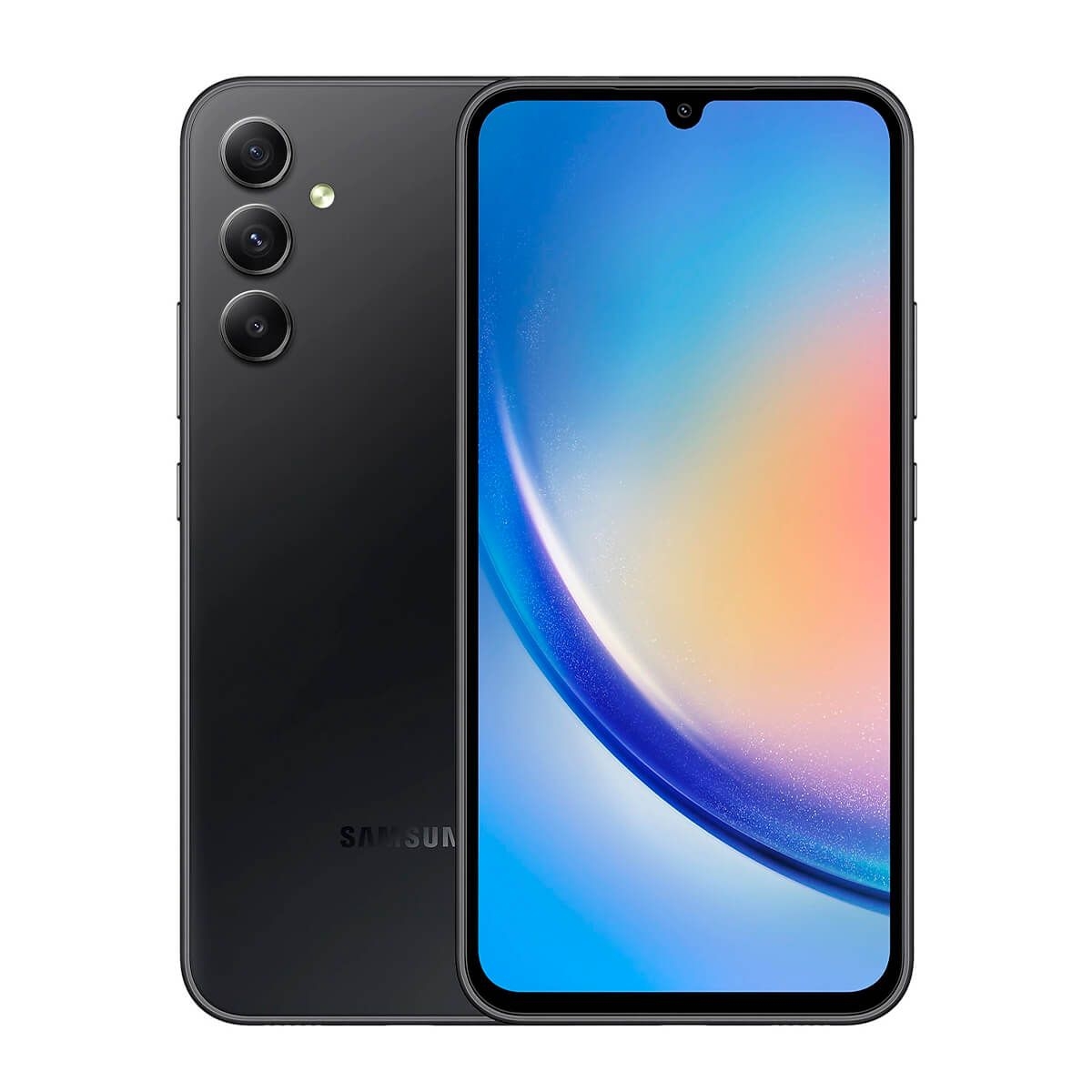
The Samsung Galaxy Note 7, once hailed as a flagship marvel, faced a significant backlash due to serious safety concerns that ultimately led to its recall. This situation not only impacted the device’s reputation but also had far-reaching consequences for Samsung as a brand. The incidents that unfolded raised alarms within the tech community and among consumers globally, highlighting the potential dangers of battery technology in modern smartphones.
The recall of the Samsung Galaxy Note 7 was initiated after numerous reports emerged detailing incidents of the device catching fire or exploding, primarily attributed to battery malfunctions. The following timeline Artikels the critical events that led to the recall and Samsung’s response to these troubling incidents:
Timeline of Events Surrounding the Recall
In order to grasp the severity of the situation, the timeline below illustrates the key moments in the Galaxy Note 7 controversy:
- August 2, 2016: Samsung officially announces the Galaxy Note 7, receiving positive reviews.
- August 24, 2016: Reports of the Note 7 catching fire begin to surface, raising initial concerns.
- September 1, 2016: Samsung announces a voluntary recall of 2.5 million devices sold globally, citing battery issues.
- September 15, 2016: Replacement devices are issued to customers as part of the recall process.
- October 5, 2016: Reports of replacement devices also catching fire emerge, prompting further action.
- October 11, 2016: Samsung announces the permanent discontinuation of the Galaxy Note 7 after ongoing incidents.
The fallout from the Galaxy Note 7 controversy significantly impacted Samsung’s brand image. Previously known for its innovation and reliability, the company faced a steep decline in customer trust. The incidents led to a reassessment of battery safety protocols not only within Samsung but throughout the smartphone industry.
“The Galaxy Note 7 recall serves as a cautionary tale about the critical importance of safety in consumer electronics.”
In response to the crisis, Samsung took several measures to restore confidence and ensure consumer safety. The company implemented an extensive investigation into battery manufacturing processes and established a new battery safety program. This program aimed to address the shortcomings that led to the Note 7’s issues, highlighting the brand’s commitment to consumer safety and quality assurance moving forward.
Through this process, Samsung learned valuable lessons about product quality control and the critical nature of consumer perceptions in an increasingly competitive market. The repercussions of the Note 7 incident are felt even today, influencing how manufacturers approach safety and quality in their devices.
Legacy and Impact on Future Devices
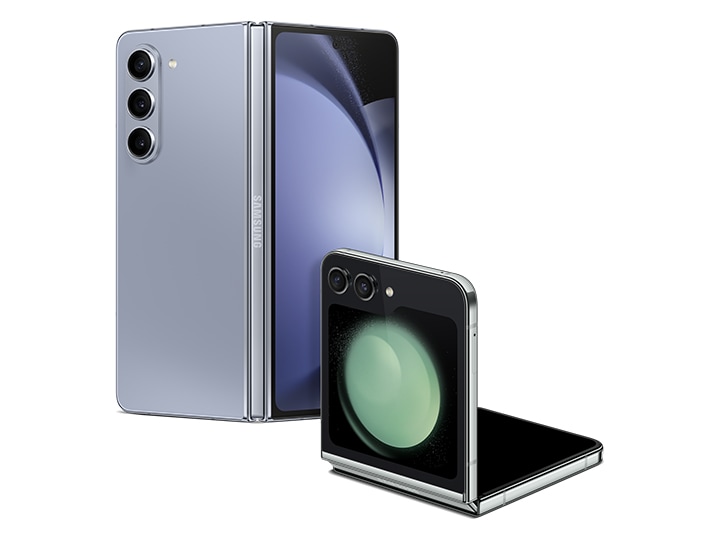
The legacy of the Samsung Galaxy Note 7 extends beyond its initial launch and subsequent recall; it has significantly shaped the smartphone industry and influenced the design and safety protocols of future devices. While its demise was marked by controversy, the lessons learned from the Note 7 have led to critical advancements in technology, safety standards, and consumer expectations.
The Galaxy Note 7 introduced breakthrough features that resonated with consumers and set a benchmark for subsequent devices. Notably, the dual-edge display and the S Pen stylus appealed to users who valued productivity and creativity. These elements have been integrated into later Samsung models, including the Galaxy S and Note series. The commitment to innovation remained, but now with a heightened focus on safety and reliability.
Incorporation of Features in Successor Devices
Several features and design elements from the Galaxy Note 7 were integrated into later Samsung devices, showcasing a blend of innovation and lessons learned from its challenges. The following points highlight these developments:
- The S Pen was further refined, offering enhanced capabilities such as improved pressure sensitivity and new software integrations, leading to more versatile usability.
- The dual-edge display became a staple in subsequent models, enhancing aesthetic appeal and providing additional screen real estate for multitasking.
- Water and dust resistance ratings were standardized in later models, such as the Galaxy S8, to assure consumers of durability and reliability in various conditions.
- Enhanced battery management technologies were developed, including improved charging protocols and battery diagnostics to prevent overheating issues.
The Note 7 incident also prompted an industry-wide reevaluation of safety standards in mobile devices. Manufacturers began to adopt more rigorous testing protocols, especially concerning battery safety, to ensure that incidents like those associated with the Note 7 would not recur.
Changes in Consumer Expectations for Smartphone Safety
The Galaxy Note 7’s controversies led to a significant shift in consumer expectations regarding smartphone safety. Following the incidents, consumers became more discerning, demanding higher safety standards and transparency from manufacturers. The table below Artikels the changes in expectations:
| Consumer Expectation | Before Note 7 | After Note 7 |
|---|---|---|
| Battery Safety | Minimal emphasis on safety checks | Demand for comprehensive testing and certifications |
| Transparency in Manufacturing | Limited information on production processes | Increased call for open communication regarding device safety |
| Product Recall Protocols | Variable response standards | Expectations for swift and effective recall processes |
| Consumer Education | Minimal focus on user safety practices | Emphasis on educating consumers about device care and safety |
The legacy of the Galaxy Note 7 serves as a cautionary tale and a catalyst for change, fostering an environment where both manufacturers and consumers prioritize device safety, ultimately enhancing the overall experience in the smartphone industry.
Expert Answers
What were the standout features of the samsung galaxy note 7?
The Note 7 featured a 5.7-inch Super AMOLED display, an S Pen stylus, IP68 water resistance, and a dual-pixel camera, making it a top choice for users seeking performance and functionality.
Why was the samsung galaxy note 7 recalled?
The device was recalled due to reports of battery explosions, which posed significant safety risks to users.
How did the recall impact Samsung’s brand image?
The recall severely damaged Samsung’s reputation, leading to a loss of consumer trust and a significant financial impact on the company.
What safety measures were introduced in subsequent devices?
Following the Note 7 incidents, Samsung implemented enhanced battery testing and safety protocols to ensure the reliability of their devices.
Did the samsung galaxy note 7 influence future smartphone designs?
Yes, the Galaxy Note 7’s innovative features, such as the edge display and stylus integration, were carried over and refined in later models, affecting design trends in the smartphone industry.
The Samsung Galaxy S11 stands out with its impressive camera capabilities and sleek design, making it a popular choice among smartphone enthusiasts. Its advanced features, such as enhanced battery performance and a vibrant display, cater to users seeking both style and functionality in a device. As technology evolves, the Galaxy S11 remains a competitive option in the ever-changing smartphone market.
For those who appreciate a powerful device, the Samsung S9 Plus continues to impress with its robust performance and quality camera system. Despite being a few generations older, it still offers features that rival newer models, making it a reliable choice for users who prioritize performance without breaking the bank. The S9 Plus proves that excellence in smartphone technology can endure over time.